Review: Family Tree SVG & Sign Files for Embroidery
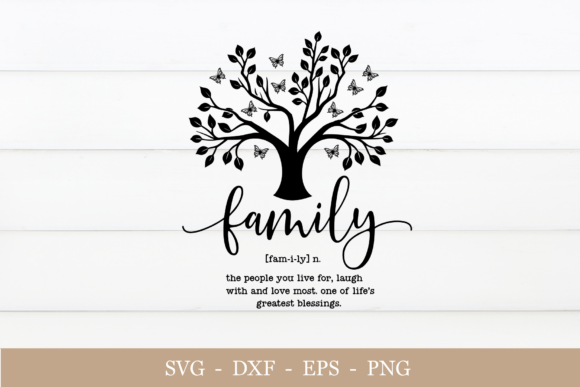
As a designer who spends half my life digitizing and the other half stitching, I have learned that not every vector file translates well to thread. When I first pulled up the Family Tree Svg, Family Sign Svg, Png package, my initial reaction was cautious optimism. The preview images looked clean, but we all know that what works on a screen does not always survive the needle. I needed to know if these graphics had the structural integrity to hold up as a machine embroidery design or if they were merely decorative cut files.
I decided to test this asset in a real-world scenario. A client had requested a set of personalized tote bags for a family reunion, along with matching sweatshirts for the grandparents. The brief called for something sentimental but modern. This is where the Family Sign Svg and tree motifs came into play. I wasn't just looking at a pretty picture; I was evaluating line weight, spacing, and how the design would interact with different fabric textures.
First Impressions and Visual Personality
The mood of this collection is warm and grounded. The tree elements suggest growth and connection, while the sign components offer a structured space for customization. Visually, the lines appear consistent, which is crucial when you are converting a digital embroidery file into stitches. If the vectors are too thin, they disappear in the fabric pile. If they are too dense, they cause puckering.
For an Etsy seller or craft business owner, the versatility here is the main selling point. These aren't just static images; they are flexible design assets. The layout allows for easy integration of names or dates, making it ideal for a personalized gift. However, from a reviewer’s standpoint, I look closely at the corners and curves. Sharp angles in a vector can become problematic in embroidery if not properly underlaid or if the stitch density is too high. The organic shape of the tree branches seemed forgiving, likely allowing for a mix of satin stitch borders and fill stitch interiors without excessive bulk.
Real-World Application: From Screen to Stitch
I started my test on a medium-weight cotton canvas for the tote bags. This is a standard substrate for custom apparel and accessories. Using a standard hoop size, I positioned the Family Tree Svg centrally. The result was crisp. The open spaces in the tree design allowed the fabric texture to show through, preventing the "cardboard effect" that plagues poorly digitized designs.
Next, I moved to a fleece sweatshirt. This is where many designs fail. Fleece is thick and plush. A design with fine details gets lost. Fortunately, the bold nature of the Family Sign Svg held up well. I used a heavier weight stabilizer to support the stretch of the knit fabric. The contrast between the dark thread and the light fleece made the design pop. It felt professional, not like a homemade afterthought. This is critical for small shop product credibility. Customers pay for polish.
For those interested in applique design, these files are particularly useful. You can use the solid shapes as cut guides for fabric appliques, then stitch around the edges. This reduces stitch count and adds a tactile dimension to the finished product. It is a smart technique for larger items like pillow covers or blankets where a fully stitched design might be too stiff.
Where Caution Is Required
While the design is robust, it is not universal. I would hesitate to use the full, detailed version of the Family Tree Svg on a curved surface like a cap. The brim area has limited stability, and complex multi-directional stitches can cause registration issues. For hats, I would simplify the design or reduce the scale significantly.
Similarly, be mindful of thin fabric like silk or lightweight rayon. The running stitch outlines might be visible on the reverse side, which is unacceptable for high-end boutique branding. Always test on scrap fabric first. Also, if you are planning to use this for baby embroidery on onesies, ensure the thread colors are soft and the stitch density is low enough to remain comfortable against sensitive skin. Scratchy, dense embroidery is a return risk for any handmade product.
Dark fabrics present another challenge. If you are stitching a light-colored tree on a black shirt, you need high-contrast thread colors. I recommend doing a printable mockup in black and white before you even thread the machine. This helps you see if the design relies too much on color differentiation rather than shape definition. If the shape holds up in monochrome, it will work in color.
Commercial Viability and Brand Consistency
For commercial embroidery projects, consistency is key. If you are producing a batch of twenty shirts, the design must stitch out identically every time. The clean geometry of the Family Quote Svg Png elements suggests reliable repeatability. There are no ambiguous paths that might confuse the machine software.
From a marketing perspective, this design fits well into current trends. Home decor and family-centric gifts are evergreen categories. Whether you are creating holiday embroidery for Christmas ornaments or wedding gifts for guest favors, the theme is adaptable. The Png files included in the package are also valuable for creating digital product previews or social media content, allowing you to showcase your embroidered patch or tote bag design in a polished context before the item is even stitched.
Practical Designer Notes
Before you commit to a large production run or list this as a new item in your store, follow these steps:
- Check Licensing: The product description mentions SVGs for cutting machines. Confirm if the license extends to commercial use of finished embroidered goods. Do not assume. Read the terms carefully.
- Test Stitch Density: Digitize the SVG yourself or use auto-digitizing software with caution. Auto-digitizing often creates excessive jumps and high density. Manual adjustment of the stitch density is usually required for a professional finish.
- Verify Hoop Size: Ensure the design fits within your machine's maximum hoop size. Scaling down too much can merge small details, making them unrecognizable.
- Contrast Check: Test the design on both light and dark fabrics. A design that looks great on white may vanish on navy blue if the thread choice isn't strategic.
- Stabilizer Selection: Match your stabilizer to the fabric. Cut-away for knits, tear-away for wovens. This is non-negotiable for maintaining the shape of the Family Sign Svg over time.
In conclusion, the Family Tree Svg, Family Sign Svg, Png collection offers strong potential for crafts and Graphics based projects. It is not just a cut file; with proper digitizing and attention to material constraints, it becomes a versatile tool for creating high-value custom apparel and home goods. It requires a thoughtful approach, but for the experienced maker, it provides a solid foundation for beautiful, sellable work.