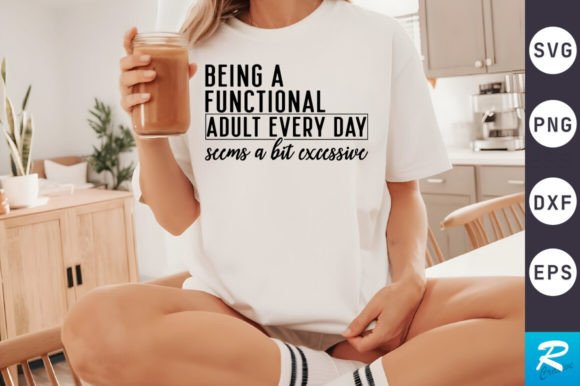
Reviewing Being a Functional SVG Design for Embroidery
As a designer who has spent countless hours digitizing files and testing them on everything from delicate silk to heavy denim, I approach every new machine embroidery design with a critical eye. It is not enough for a graphic to look pretty on a screen; it must translate seamlessly into thread, respecting the physical limitations of fabric and needle. Recently, I evaluated Being a Functional SVG Design, a digital asset categorized under Crafts and Graphics, to determine its viability for real-world production. My goal was to move beyond the marketing description and assess how this file performs when subjected to the rigors of actual stitching.
First Impressions and Visual Personality
The initial visual impact of Being a Functional SVG Design is one of approachable warmth. The layout suggests a theme centered on connection and affection, making it an ideal candidate for projects intended to evoke emotion. When I loaded the file into my digitizing software to inspect the pathing, I noticed that the shapes are clean and well-defined. This is crucial because ambiguous lines in an embroidery file often lead to jagged edges or unnecessary jumps in the final product.
The mood created by this design is gentle yet confident. It does not rely on overly complex shading or dense fills that can pucker lightweight fabrics. Instead, it utilizes a balance of open space and structured elements. For an Etsy seller or a small shop product creator, this visual clarity is a significant advantage. Customers browsing online need to instantly recognize the motif, even in thumbnail images. The design’s personality fits naturally into the niche of personalized gifts, where simplicity often reads as more sophisticated than clutter.
Real-World Application: The Custom Tote Bag Test
To truly understand the utility of Being a Functional SVG Design, I simulated a common commercial scenario: creating a custom tote bag design for a local boutique. The client wanted a durable, everyday item that felt personal but not overly sentimental. I placed the design on a canvas tote, considering how the stitch density would interact with the coarse weave of the fabric.
In this context, the design performed admirably. Because the elements are functional and not excessively detailed, they maintained their integrity without sinking into the fabric texture. If this were an applique design, the cut edges would need to be precise, but as a standard stitched graphic, it relies on solid fills and clean outlines. The result was a crisp, professional finish that elevated the perceived value of the handmade product. It is easy to imagine this same logic applying to sweatshirt embroidery, where the bulk of the garment requires a design that sits flat and does not add unnecessary weight.
Versatility Across Product Lines
Beyond totes, this digital embroidery file shows promise across a wide range of craft business items. For baby embroidery, such as onesies or burp cloths, the soft aesthetic aligns well with nursery themes. However, one must be cautious with scale. On smaller items like baby caps, the design might need to be resized carefully to ensure that any finer details do not become lost or merge together. Similarly, for holiday embroidery projects, such as kitchen towels or aprons, the design serves as a charming accent that does not overwhelm the utility of the item.
For those selling custom apparel, this design offers a versatile template. It works well on chest pockets of shirts or as a larger back print on hoodies, provided the hoop size is sufficient to capture the full scope of the artwork without distortion. The key is maintaining the proportionality of the elements. A design that looks balanced in a six-inch hoop may appear sparse or cramped if forced into a four-inch or ten-inch frame without proper adjustment.
Technical Considerations and Fabric Constraints
While Being a Functional SVG Design is robust, it is not immune to the physics of embroidery. I recommend exercising caution when applying it to stretchy fabrics or very thin materials. Without adequate stabilizer, the tension from the fill stitch areas could cause puckering. I always advise testing on scrap fabric first, especially when using dark fabrics where light thread colors are involved, or vice versa. The contrast between thread colors and fabric background plays a massive role in readability.
Another critical factor is the type of stitch used. If the design relies heavily on satin stitch for borders, ensure that the columns are not too wide, as long satin stitches are prone to snagging. If it uses running stitch for detailing, verify that the spacing is tight enough to prevent gaps. For curved surfaces like caps, the design must be adjusted for pull compensation. A flat design applied to a curved surface will distort unless the digitizer has accounted for the fabric's tension during the stitching process.
Enhancing Brand Consistency and Trust
From a business perspective, using reliable design assets like this one contributes to brand consistency. When customers receive a finished product that looks professional and durable, their trust in your craft business grows. Being a Functional SVG Design supports this by offering a clean, recognizable aesthetic that can become part of your signature style. Whether used for personalized gift items or broader commercial embroidery runs, the design helps maintain a high standard of presentation.
Moreover, the ease of use affects buyer engagement. If you are creating printable mockup previews for your online store, a design that renders clearly in digital formats will attract more clicks. The visual appeal translates directly to sales potential. However, always confirm licensing terms before selling finished items. While many SVGs are sold for personal use, commercial rights vary. Ensure you have the appropriate license to use this graphics file in products you intend to sell.
Final Verdict for Makers and Designers
In conclusion, Being a Functional SVG Design is a solid addition to any designer’s library, particularly for those focusing on heartfelt, everyday items. It bridges the gap between artistic expression and practical application. By paying attention to stabilizer choice, thread colors, and fabric type, you can maximize its potential. Whether you are creating an embroidered patch for a jacket or a delicate motif for a baby item, this design offers the flexibility needed for diverse projects. Always test, adjust, and refine, but know that this file provides a strong foundation for high-quality embroidery project outcomes.