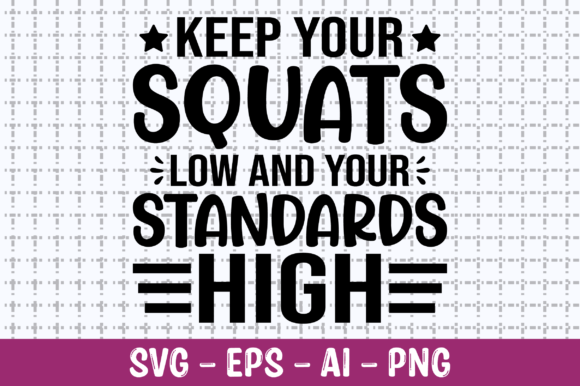
Reviewing Keep Your Squats Low and Your Standards
As a designer who has spent countless hours digitizing patterns and troubleshooting machine hiccups, I approach every new machine embroidery design with a mix of curiosity and caution. We have all been there: you download a file that looks stunning on the screen, only to find it turns into a bird’s nest of thread on your favorite sweatshirt. Recently, I took a close look at Keep Your Squats Low and Your Standards, a digital asset that promises versatility for modern crafters. Here is my honest assessment of how this design holds up in real-world application.
First Impressions and Visual Personality
The first thing that strikes you about Keep Your Squats Low and Your Standards is its bold, confident attitude. It is not trying to be delicate or overly ornate. Instead, it leans into a clean, typographic aesthetic that resonates well with current trends in fitness culture and lifestyle branding. The layout feels balanced, offering enough negative space to let the stitches breathe without looking empty.
From a Graphics perspective, the vector nature of the source files means the lines are crisp. This is crucial because blurry edges in a digital preview often translate to jagged, uneven stitching on fabric. The mood here is playful yet disciplined, making it an excellent candidate for projects that need to communicate personality quickly. Whether you are aiming for a gym-bag vibe or a cozy home aesthetic, the visual personality of this piece is adaptable.
Real-World Application: The Sweatshirt Test
To truly evaluate an embroidery file, you have to imagine it on actual material. I visualized this design centered on the chest of a heavyweight cotton blend sweatshirt. This is a popular item for Etsy sellers and small shop product lines. The phrase lends itself perfectly to custom apparel intended for personal trainers, fitness enthusiasts, or anyone who appreciates a bit of humor in their workout gear.
In this scenario, the design performs well because the lettering is substantial enough to handle standard fill stitch techniques without becoming too dense. If the letters were too thin, they would disappear into the fleece texture. If they were too thick, the garment would pucker. Keep Your Squats Low and Your Standards seems to hit that sweet spot, suggesting a professional finish that enhances the handmade product value rather than detracting from it.
Versatility Across Product Lines
Beyond apparel, this design has strong potential in the Crafts category. Consider a canvas tote bag design. The sturdy weave of canvas provides an excellent foundation for embroidery, allowing the threads to sit high and visible. This could also work as an embroidered patch applied to denim jackets or backpacks. For baby embroidery projects, such as a onesie for a fit mom, the scale might need adjustment, but the sentiment remains charming and gift-worthy.
For those creating holiday embroidery gifts or personalized gift items for birthdays, this design offers a modern alternative to traditional motifs. It fits seamlessly into a boutique branding strategy where the focus is on lifestyle and attitude. As a digital embroidery file, its ability to be resized via the included SVG and EPS formats gives you the freedom to adapt it for smaller items like tea towels or larger statements on blanket throws.
Technical Considerations and Stitching Clarity
While the design is robust, there are areas where a designer must exercise caution. The clarity of the final finished product depends heavily on your choice of thread colors and stabilizer. Because the design relies on text, contrast is key. Stitching white thread on a light gray heather shirt will result in poor visibility. Always test your color combinations on scrap fabric first.
Another critical factor is stitch density. Although I do not have the exact stitch count from the provider, the visual weight suggests moderate density. On stretchy fabrics like performance wear, you must use a cut-away stabilizer to prevent distortion. On woven fabrics like aprons or pillow covers, a tear-away stabilizer might suffice, but always hoop tightly to avoid shifting.
Challenges with Small Hoops and Curved Surfaces
If you plan to use this on a cap or a curved surface, be mindful of the hoop size. The phrase is relatively long. Fitting it into a small 4x4 inch hoop might require reducing the font size to a point where legibility suffers. For caps, consider breaking the design into two lines or using a larger hoop if your machine supports it. Tiny lettering on textured fabrics like terry cloth towels can also get lost, so this design is best suited for smoother surfaces or larger hoop applications.
Enhancing Brand Consistency and Customer Trust
For commercial embroidery professionals and craft business owners, consistency is vital. Using a clean, well-digitized design like Keep Your Squats Low and Your Standards helps build customer trust. When a buyer sees neat, consistent stitching, they perceive higher value. This design supports that perception by avoiding overly complex corners that often cause thread breaks or jumps.
Furthermore, having access to the AI, EPS, and SVG files allows you to create high-quality printable mockup images for your online listings. A crisp digital preview leads to better buyer engagement. You can show exactly how the design will look on different backgrounds, helping customers visualize the custom apparel or home decor item before they purchase.
Practical Designer Notes for Best Results
Before you start stitching, keep these practical tips in mind:
- Test on Scrap Fabric: Always run a test stitch-out on the same type of fabric you intend to use for the final product. This reveals any tension issues or density problems.
- Check Thread Contrast: Ensure your thread color stands out against the fabric. Dark threads on dark fabrics rarely look professional unless specifically intended for a subtle, tonal effect.
- Verify Licensing: While the product description mentions instant download and multiple file formats, always confirm the license terms. Ensure you are allowed to sell finished items made with this design if you are running a business.
- Inspect Small Details: Zoom in on the vector files to check for any anchor points that might cause unnecessary needle stops or jumps during digitizing conversion.
- Use Proper Stabilizer: Match your stabilizer to your fabric. Stretchy knits need cut-away; stable wovens can use tear-away. This prevents puckering and ensures the design lays flat.
Final Verdict
Keep Your Squats Low and Your Standards is a solid addition to any designer’s library of design assets. It balances humor with clean aesthetics, making it suitable for a wide range of embroidery project types. From sweatshirt embroidery to decorative home goods, it offers the flexibility needed for both personal creativity and commercial viability. By paying attention to fabric choice, stabilizer, and hoop size, you can ensure that this design translates from a digital file into a high-quality, tangible product that customers will love.