Why Do Today What You Can Put Off: A Designer’s Review
As a designer who spends half my life digitizing and the other half stitching, I have learned that not every graphic translates well to thread. We often see Graphics that look crisp on a screen but turn into a tangled mess under the needle. That is why I approached Why Do Today What You Can Put off, PNG with a critical eye. This is not just about downloading a file; it is about understanding how a witty, relatable phrase performs in the physical world of Crafts and textile decoration.
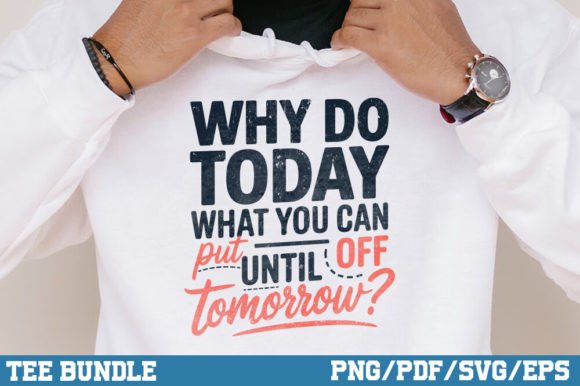
The first impression of this design is its casual confidence. The phrase "Why Do Today What You Can Put Off Until Tomorrow" captures a mood that resonates deeply with modern consumers. It is humorous, slightly rebellious, and undeniably human. Visually, the layout suggests a relaxed aesthetic, likely featuring hand-lettered or brush-style typography that mimics natural handwriting. For an embroidery project, this organic feel is both a blessing and a challenge. It avoids the rigid, mechanical look of standard block fonts, giving the final piece a bespoke, handmade quality that customers crave.
Real-World Application: The Custom Tote Bag Test
To truly evaluate this asset, I imagined a specific scenario: a custom order for a local boutique selling eco-friendly lifestyle goods. The client wanted a statement piece for their new line of canvas tote bags. I visualized placing Why Do Today What You Can Put off, PNG centrally on a heavy-duty cotton canvas. The humor of the text pairs perfectly with the utility of a bag often used for grocery runs or library trips—activities we frequently procrastinate on.
In this context, the design acts as more than just decoration; it becomes a conversation starter. When I consider how this would look as sweatshirt embroidery, the appeal shifts slightly. Here, the design offers comfort and validation to the wearer. It transforms a basic garment into a personalized gift that says, "I understand your need for rest." This emotional connection is what drives sales for Etsy sellers and small shop owners. The design does not scream for attention; it invites a smile, which is a powerful tool in brand consistency and buyer engagement.
Navigating File Formats and Technical Reality
One aspect that requires careful attention is the file structure provided. The package includes a high-resolution PNG (4500×5400 pixels at 300 dpi), along with EPS, SVG, and PDF files. For those of us working in commercial embroidery, it is crucial to note that these are primarily graphic formats, not native machine embroidery files like DST or PES. This means you cannot simply load the PNG into your embroidery machine and hit start.
Instead, these files serve as excellent reference images for digitizing. If you are an experienced designer, you will use the SVG or EPS to trace the letterforms in your digitizing software, ensuring clean vector paths before converting them into stitch data. The high-resolution PNG is invaluable for creating printable mockups and digital product previews for your online store. It allows you to show potential clients exactly how the design will look on a dark navy hoodie or a cream-colored pillow cover without stitching a single thread. However, if you are not a digitizer, you must ensure you have the skills or software to convert these graphics into a proper embroidery file, or hire someone who does.
Stitching Considerations and Fabric Choices
When translating this typographic design into thread, stitch density becomes your primary concern. Long, sweeping curves in handwritten fonts can easily pull or pucker if the stabilizer is insufficient. I recommend using a cut-away stabilizer for stretchy fabrics like jersey knits used in t-shirts and baby clothes. For woven fabrics like aprons or tea towels, a tear-away might suffice, but always test on scrap fabric first.
The detail level in this design appears moderate, but watch out for tiny serifs or thin connectors between letters. In machine embroidery design, elements thinner than 2mm can get lost or break during washing. If you are digitizing this yourself, consider using a satin stitch for the main strokes to give them definition and durability. Avoid fill stitches for thin lines, as they can become dense and stiff, ruining the drape of the fabric. For larger letters, a combination of satin borders and light fill centers can provide structure without excessive bulk.
Color contrast is another vital factor. Since the design relies on readability, ensure your thread colors stand out against the fabric. A white thread on a black sweatshirt works beautifully, but a pastel yellow on a beige tote bag might vanish. Test your design in black and white mockups to check for clarity before committing to expensive threads.
Commercial Viability and Brand Value
For craft business owners, the versatility of this design is a significant asset. It fits seamlessly into various niches: holiday gifts for the stressed parent, funny apparel for college students, or cozy home decor for the introvert. Because the message is timeless, it does not suffer from seasonal obsolescence. You can sell it year-round, unlike Christmas-specific motifs.
However, professionalism matters. Ensure that your finished product reflects the quality of the design. Loose threads, poor tension, or misaligned hoops can undermine the witty message. Customers buying a personalized gift expect precision. Use this design to elevate your brand by pairing it with high-quality blanks and meticulous finishing techniques. Whether you are creating an embroidered patch for a jacket or a monogrammed pillow cover, the execution must match the charm of the text.
Final Verdict for Designers
Why Do Today What You Can Put off, PNG is a strong candidate for your design library, provided you approach it with technical diligence. It offers high emotional resonance and broad market appeal. Just remember to respect the transition from screen to stitch. Check your hoop size to ensure the full phrase fits comfortably, inspect small details for stitchability, and confirm licensing terms if you plan to sell the finished items. With the right preparation, this design can become a staple in your portfolio, delighting customers and adding a touch of humorous humanity to your handmade products.